LOQMAN HAKIM COMPLEX HOSPITAL
Departments › Internal Medicine
Internal Medicine
Diagnosis and long-term care for adult medical conditions — diabetes, blood pressure, digestive, respiratory and kidney disease — with laboratory and imaging in the same building.
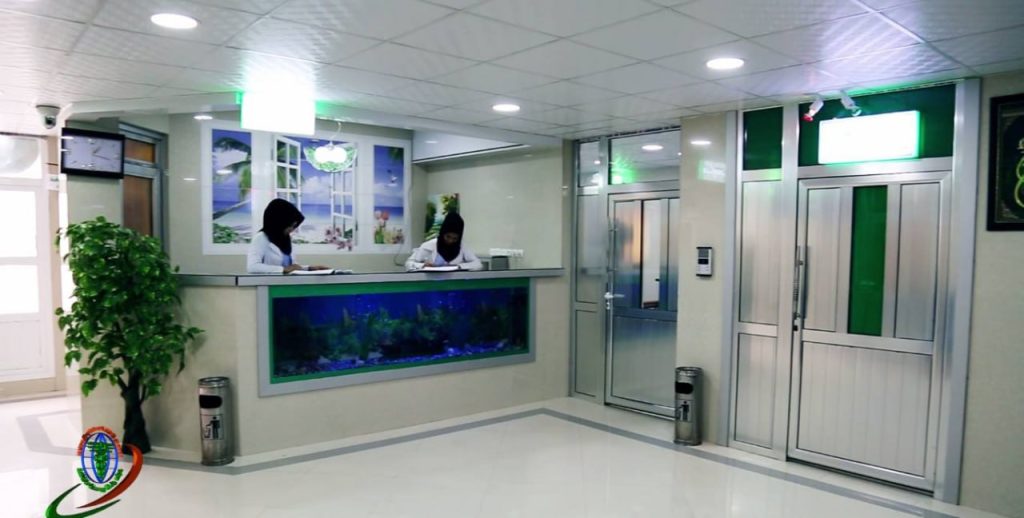
The Internal Medicine department is where most adult patients begin. Our specialists diagnose and treat conditions affecting the body’s internal organ systems — the heart and circulation, lungs, digestive tract, kidneys, liver and endocrine glands — and manage the long-term conditions that need regular follow-up rather than a single visit.
Because diagnosis often depends on more than one test, the department works alongside the hospital’s laboratory, imaging and pathology units. Blood work, ultrasound, X-ray and CT are all carried out in the same building, so in most cases results reach your physician the same day and treatment can begin without a second appointment.
Conditions we treat
The department covers the full range of adult general medicine: diabetes and its complications, high blood pressure, asthma and chronic obstructive lung disease, chest and urinary infections, stomach and liver conditions, thyroid and hormonal disorders, anemia, rheumatic and joint complaints, and fevers whose cause has not yet been identified.
Where a condition needs a narrower specialty — kidney failure requiring dialysis, a cardiac procedure, or surgery — the internal medicine physician coordinates the referral to the relevant department inside the hospital, and stays involved in your ongoing care.
Living with a long-term condition
Diabetes, hypertension, kidney disease and thyroid disorders are managed over years, not weeks. The department runs regular follow-up appointments so that medication can be adjusted, complications caught early, and test results reviewed against your history rather than in isolation.
At each visit we explain what the results mean and what changes, if any, are needed — in medication, in diet, or in daily routine. Patients are encouraged to bring a family member if that helps them follow the plan at home.
Before you come
Bring your identification, any previous test results, imaging or discharge summaries, and a list of the medicines you are currently taking, including their doses. If your appointment includes fasting blood tests, call reception the day before to confirm how many hours you should fast.
For sudden chest pain, difficulty breathing, loss of consciousness or a serious injury, do not wait for a clinic appointment — go directly to the emergency department, which is open 24 hours a day.