LOQMAN HAKIM COMPLEX HOSPITAL
Departments › Ophthalmology
Ophthalmology
Examination and treatment of the eye — cataract surgery, glaucoma, diabetic retinopathy and children's vision.
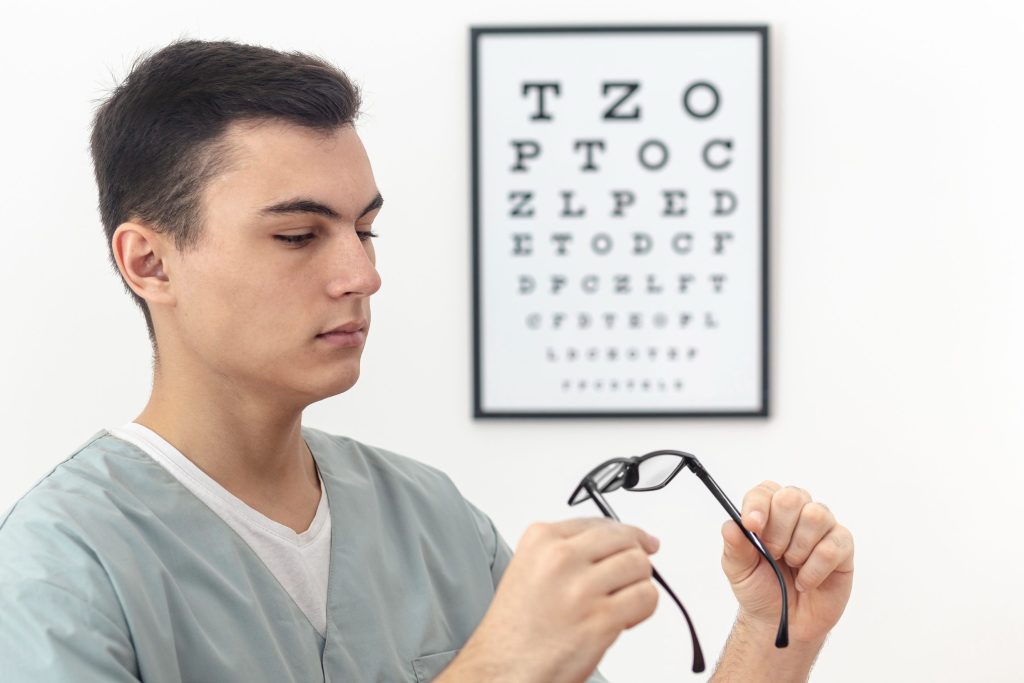
The Eye department examines, diagnoses and treats conditions affecting vision and the structures of the eye. Sight loss is often gradual and painless, which is why many eye conditions are found at a routine examination rather than because the patient noticed something wrong.
Examination includes vision testing, measurement of eye pressure and inspection of the retina. Patients with diabetes are seen regularly whether or not they have symptoms, because damage to the retina can be advanced before vision changes.
Conditions we treat
Cataract, glaucoma, diabetic retinopathy, conjunctivitis and eye infections, dry eye, allergic eye disease, refractive errors requiring glasses, squint in children, eyelid conditions, and blocked tear ducts.
Sudden visual loss, flashes and floaters, or a shadow across part of the field of vision are treated as urgent — these can indicate retinal detachment, where the time to treatment affects how much sight is preserved.
Eye surgery
Cataract surgery is the department’s most frequent operation: the clouded lens is removed and replaced with an artificial one, usually as a day procedure under local anaesthesia. Most patients notice a clear improvement within days.
Other procedures include surgery and laser treatment for glaucoma, eyelid operations, squint correction in children, and treatment of blocked tear ducts. The surgeon explains what is planned, what the recovery involves, and what the realistic visual outcome is.
Before you come
Bring your current glasses or prescription, any previous eye reports, and a list of your medicines — including eye drops. If you are diabetic, bring your recent blood sugar results.
Note that the examination often requires drops that dilate the pupils. These blur vision for several hours, so do not plan to drive afterwards and bring someone with you if possible.
For sudden loss of vision, a chemical splash, penetrating injury or severe eye pain, go to the emergency department immediately — these do not wait for an appointment.