LOQMAN HAKIM COMPLEX HOSPITAL
Departments › Gastroenterology
Gastroenterology
Digestive tract and liver conditions, with endoscopy and colonoscopy on site and biopsies examined in the hospital's own pathology unit.
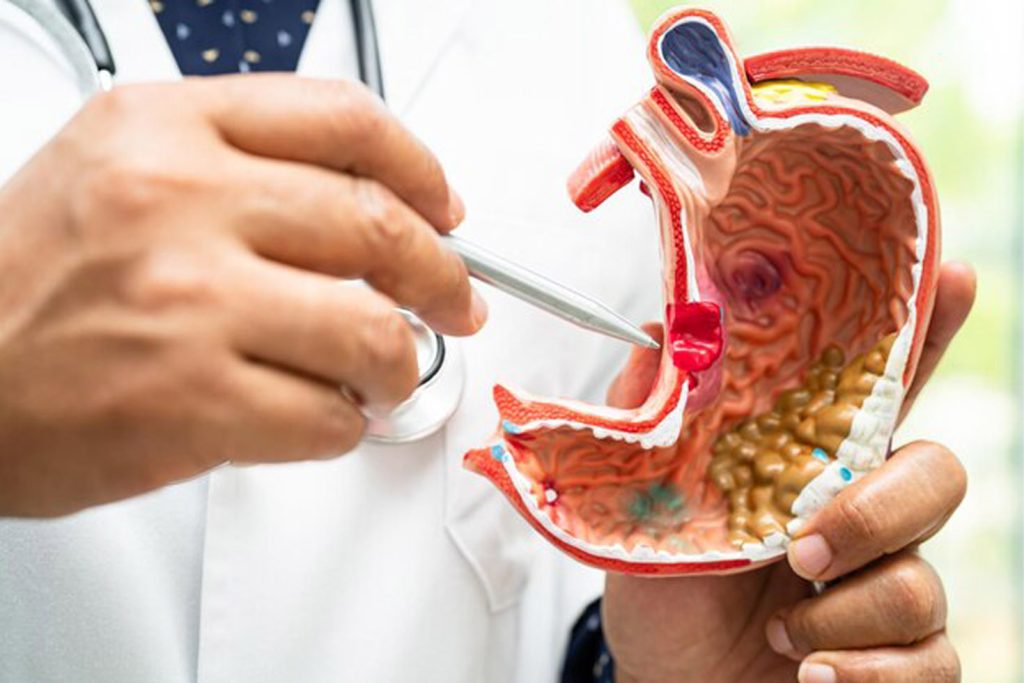
The Gastroenterology department diagnoses and treats conditions of the digestive tract and liver — the oesophagus, stomach, intestines, liver, gallbladder and pancreas. Many digestive complaints are common and harmless, but a few are not, and the purpose of assessment is to tell one from the other.
The department has endoscopy facilities on site, and works alongside the hospital’s laboratory, imaging and pathology units, so that biopsies taken during a procedure are examined in the same building.
Conditions we treat
Stomach and duodenal ulcers, reflux and heartburn, Helicobacter pylori infection, gastritis, irritable bowel syndrome, inflammatory bowel disease, chronic constipation and diarrhoea, coeliac disease, and bleeding from the digestive tract.
Liver conditions form a large part of the work: viral hepatitis, fatty liver, cirrhosis and its complications, and abnormal liver function found on routine blood tests.
Endoscopy and colonoscopy
Upper endoscopy allows the physician to examine the oesophagus, stomach and duodenum directly, take biopsies, and treat bleeding ulcers. Colonoscopy examines the large intestine, and allows polyps to be removed during the same procedure.
Both are carried out with sedation and take a short time. You will be told beforehand how to prepare, how long you should expect to stay, and why the procedure is being recommended in your case.
Before your procedure
For endoscopy you will be asked to fast, usually from the night before. For colonoscopy, bowel preparation begins the day before and the instructions must be followed exactly — an incomplete preparation means the examination has to be repeated.
Tell the physician if you take blood thinners, diabetes medication or iron tablets, as these may need to be adjusted. Arrange for someone to accompany you home, as sedation makes driving unsafe for the rest of the day.
For vomiting blood, black tarry stools, or severe abdominal pain, go to the emergency department at once.